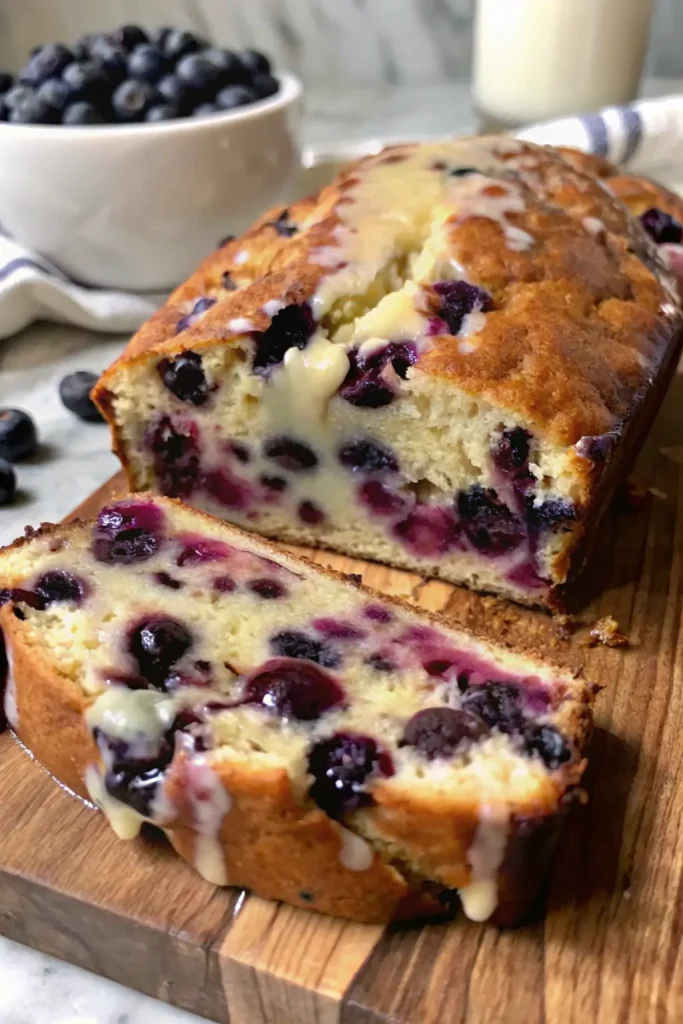
The Science Behind the Perfect Lemon Blueberry Bread
Creating a lemon blueberry bread that delivers a cloud-like texture while balancing sweet and sour flavor profiles is not just about mixing ingredients; it is an exercise in baking chemistry. The magic happens when the acidic properties of fresh lemon juice and zest interact with leavening agents like baking soda or baking powder. This chemical reaction produces carbon dioxide gas, which gets trapped in the gluten network of the batter, resulting in that coveted airy, light crumb.
Understanding the Sweet and Sour Balance
The hallmark of this recipe is its contrasting flavor profile. Blueberries provide bursts of natural, earthy sweetness, while lemons offer a sharp, astringent tang. To maximize the lemon flavor without adding excess liquid that could make the bread dense, bakers must utilize lemon zest. The zest contains essential oils that carry pure citrus aroma without altering the hydration levels of your batter. When combined with sugar, these oils release a robust fragrance that elevates the entire loaf.
Achieving the Cloud-Like Texture
Texture is everything when it comes to quick breads. Overmixing the batter develops too much gluten, leading to a tough, rubbery loaf. To achieve a tender, cake-like crumb, the wet and dry ingredients should be folded together gently until just combined. Incorporating ingredients like sour cream or buttermilk can also introduce additional fat and acidity, tenderizing the gluten strands and ensuring a moist, melt-in-your-mouth experience.

Essential Ingredients and Master Preparation Steps
Precision is key when preparing your lemon blueberry bread. Having your ingredients at the right temperature and following the correct sequence of steps will drastically improve your final bake.
Pre-Baking Technical Checklist
- Ensure all dairy ingredients (eggs, butter, milk, or yogurt) are at room temperature to create a smooth emulsion.
- Wash and thoroughly dry your blueberries; excess water will water down the batter and cause soggy spots.
- Zest the lemons before juicing them to make the process easier and extract the maximum amount of oils.
- Preheat your oven at least 15 minutes before baking to guarantee a stable, consistent temperature.
- Line your loaf pan with parchment paper, leaving an overhang for easy removal.
Step-by-Step Mixing Procedure
Begin by creaming softened butter and sugar together until pale and fluffy. This step incorporates air into the fat, which is crucial for the bread’s rise. Next, add the room-temperature eggs one at a time, ensuring each is fully incorporated before adding the next. In a separate bowl, whisk together your dry ingredients: flour, baking powder, baking soda, and salt. Alternate adding the dry ingredients and your liquid base (such as lemon juice mixed with buttermilk) to the butter mixture, beginning and ending with the dry ingredients. Finally, gently fold in the blueberries.

Pro Tips: How to Prevent Blueberries from Sinking
One of the most common pitfalls in baking berry breads is having all the fruit sink to the bottom of the pan, resulting in an uneven bake and a soggy base. To prevent this, toss your blueberries in a tablespoon of flour before folding them into the batter. This light coating creates friction, allowing the berries to suspend evenly throughout the thick batter as it bakes.
Fresh vs. Frozen Blueberries
While fresh blueberries are ideal for structural integrity, frozen blueberries can be used year-round. However, they require different handling techniques to prevent the batter from turning purple and the bread from becoming overly dense.
| Feature | Fresh Blueberries | Frozen Blueberries |
|---|---|---|
| Preparation | Wash and dry completely. | Do not thaw. Use straight from the freezer. |
| Batter Impact | Maintains batter color and consistency. | May bleed color; requires gentle folding. |
| Baking Time | Standard recipe time. | May require an additional 5-10 minutes of baking. |
| Flavor Profile | Bright, firm, and tart. | Slightly sweeter, softer texture after baking. |
Frequently Asked Questions (FAQ)
- Why did my lemon blueberry bread sink in the middle?
- A sunken middle usually indicates that the bread was underbaked, or that there was too much leavening agent (baking soda/powder) causing the bread to rise too rapidly and then collapse. Always use an oven thermometer to verify the temperature and test the center with a toothpick before removing it from the oven.
- Can I turn this recipe into muffins?
- Yes, the batter for this quick bread adapts perfectly into muffins. Simply divide the batter into a lined muffin tin and reduce the baking time to approximately 20-25 minutes, checking for doneness with a toothpick.
- How should I store the leftover bread?
- Allow the bread to cool completely, then store it in an airtight container at room temperature for up to 3 days. For longer storage, wrap the loaf tightly in plastic wrap and aluminum foil, then freeze for up to 3 months.
- How do I make the lemon glaze for the top?
- Whisk together powdered sugar, fresh lemon juice, and a pinch of salt until smooth. Pour the glaze over the bread only after it has completely cooled, otherwise, the glaze will melt and soak into the crumb rather than forming a sweet crust.
- Is it possible to make this recipe gluten-free?
- Absolutely. Substitute the all-purpose flour with a high-quality, 1-to-1 gluten-free baking blend that contains xanthan gum. Be careful not to overmix, and let the batter rest for 10 minutes before baking to allow the gluten-free flours to hydrate.
