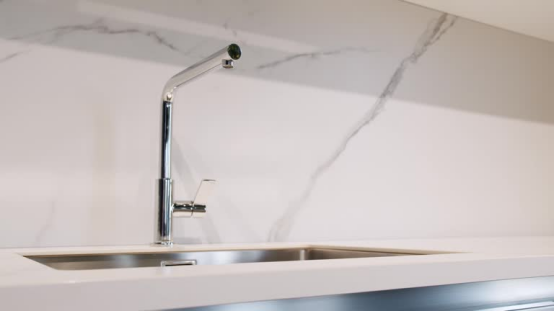
The kitchen sink, often overlooked, is arguably the most frequently used appliance in any home. It’s not just a basin for washing dishes; it’s a central hub for meal prep, cleaning, and sometimes even a makeshift workstation. Choosing the right kitchen sink involves much more than simply picking a color or a basic shape. It’s a strategic decision that impacts your kitchen’s functionality, aesthetics, and overall workflow for years to come. This ultimate guide will deep-dive into the materials, styles, and critical considerations necessary to select a sink that perfectly complements your culinary space and lifestyle.
Unpacking the Essential Factors for Kitchen Sink Selection
Before diving into specific materials and styles, it’s crucial to understand the foundational elements that dictate a sink’s suitability for your kitchen. These factors are interconnected and will guide you toward a choice that balances practicality with design coherence.
Size and Configuration: Tailoring to Your Needs
The dimensions and layout of your sink are paramount. Consider your typical kitchen activities. Do you frequently wash large pots and pans? A single, deep bowl might be ideal. Do you prefer separating washing from rinsing, or need a dedicated space for food prep and drying? A double-bowl configuration, or even a low-divide sink that offers the best of both worlds, could be more appropriate.
- Single Bowl: Offers maximum uninterrupted space, perfect for large cookware.
- Double Bowl: Provides versatility for multitasking, often with one larger and one smaller basin.
- Low-Divide Sink: A hybrid design, offering two basins with a shorter divider, allowing for larger items while still providing separation.
- Depth: Deeper sinks prevent splashing and can hide dirty dishes, but might be less comfortable for very tall or short individuals.
Mounting Styles Explained: Integration and Aesthetics
The way a sink integrates with your countertop profoundly affects both its appearance and ease of cleaning. Each mounting style comes with its own installation requirements and visual impact.
- Drop-in (Top-mount) Sinks: These sinks have a rolled rim that rests on top of the countertop. They are generally easier to install and can be a good DIY option, often more affordable. However, the rim can collect grime and interrupt the counter surface.
- Undermount Sinks: Installed beneath the countertop, creating a seamless transition and making cleanup a breeze – simply wipe crumbs directly into the sink. This style offers a sleek, modern look but typically requires professional installation and is best suited for solid surface countertops like granite or quartz.
- Farmhouse (Apron-Front) Sinks: Characterized by an exposed front panel that extends over the cabinet face, these sinks offer a distinctive, often rustic or traditional aesthetic. They are usually deep and spacious, but require specialized cabinetry and installation.
- Integrated Sinks: Custom-made from the same material as the countertop (e.g., solid surface, stainless steel), creating an absolutely seamless look. While highly aesthetic and easy to clean, they are generally the most expensive option and may be less durable depending on the material.
Faucet Compatibility and Accessory Integration
Don’t forget the peripherals! The number of faucet holes on your sink determines the type of faucet and accessories you can install. Consider if you need space for a soap dispenser, hot water dispenser, air gap for a dishwasher, or even an integrated cutting board or drying rack. Planning these elements upfront ensures a fully functional and aesthetically pleasing sink area.

A Deep Dive into Popular Kitchen Sink Materials
The material of your kitchen sink is a critical decision, influencing its durability, maintenance requirements, aesthetic appeal, and cost. Each material offers a unique set of advantages and disadvantages, making the “perfect” choice highly dependent on your priorities and lifestyle.
Stainless Steel Sinks: The Modern Workhorse
Stainless steel remains the most popular choice for kitchen sinks, and for good reason. Its versatility, durability, and clean aesthetic make it a staple in both residential and commercial kitchens. The “why” behind its popularity lies in its resistance to heat, corrosion, and rust, coupled with its relatively low maintenance.
- Gauge Matters: Stainless steel sinks are measured in gauges; a lower gauge number indicates thicker steel. 16-18 gauge is ideal for durability and noise reduction, while higher gauges (20-22) can be more prone to denting and noise.
- Finishes: Brushed finishes are common, helping to hide scratches, while polished finishes offer a more reflective look but show fingerprints more easily.
- Pros: Durable, heat-resistant, easy to clean, affordable, lightweight, stain-resistant.
- Cons: Can be noisy (though sound-dampening pads help), prone to water spots and scratches, can appear industrial.
- Maintenance: Regular cleaning with mild soap and water, avoid abrasive cleaners and steel wool.
Cast Iron Sinks: Timeless Elegance and Durability
Cast iron sinks, typically coated with a thick layer of enamel, offer a classic, robust look that has graced kitchens for centuries. The “why” here is rooted in their substantial feel, excellent heat retention, and a wide array of color options thanks to the enamel finish. They bring a touch of vintage charm or traditional grandeur.
- Enamel Coating: Provides a smooth, glossy, and durable surface that is resistant to stains and acids. However, it can chip if heavy objects are dropped.
- Weight: Cast iron sinks are very heavy, often requiring additional cabinet reinforcement and professional installation.
- Pros: Extremely durable core, excellent heat retention, wide range of colors, resistant to most stains, beautiful glossy finish.
- Cons: Very heavy, prone to chipping or scratching of the enamel, can be expensive, requires careful handling of hot pans to avoid thermal shock to enamel.
- Maintenance: Wipe clean with mild soap, avoid abrasive cleaners, immediately clean up acidic foods, and consider using a sink grid to prevent chips.
Granite Composite Sinks: Strength Meets Style
Granite composite sinks are engineered from a blend of crushed granite (typically 80%) and a resin filler (20%). This blend creates an incredibly hard, durable, and attractive material. Their appeal lies in their natural stone appearance without the porous nature of solid granite, offering superior resistance to scratches, chips, and heat.
- Composition: The high granite content provides robustness and a natural stone feel.
- Durability: Highly resistant to scratches, chips, stains, and heat, making them exceptionally tough for busy kitchens.
- Aesthetics: Available in a variety of colors and textures, mimicking natural stone, offering a sophisticated look.
- Pros: Very durable, heat-resistant, scratch-resistant, wide color palette, non-porous (stain-resistant), sound-dampening.
- Cons: Can be expensive, heavy (though less so than cast iron), limited repair options if severely damaged.
- Maintenance: Easy to clean with soap and water; resistant to most household chemicals.
Fireclay Sinks: Artisanal Charm and Resilience
Fireclay sinks are crafted from a unique clay fired at extremely high temperatures, then coated with a durable porcelain glaze. This process fuses the glaze to the clay, creating an incredibly strong and smooth surface. They are most commonly seen in farmhouse style sinks and are cherished for their handcrafted look and remarkable resilience.
- Crafting Process: The intense firing process makes fireclay sinks exceptionally hard and dense.
- Resistance: Highly resistant to acids, scratches, and chips, offering a long-lasting beautiful finish.
- Farmhouse Appeal: Their inherent character and robust construction lend themselves perfectly to traditional and rustic kitchen designs.
- Pros: Extremely durable, highly resistant to scratches and chips, non-porous, beautiful glossy finish, classic aesthetic.
- Cons: Very heavy, expensive, can sometimes be prone to crazing (fine cracks in the glaze) over time, limited color options (mostly white and off-white).
- Maintenance: Easy to clean with non-abrasive cleaners.
Copper Sinks: Living Finish and Antimicrobial Benefits
Copper sinks offer a unique aesthetic with a “living finish” that develops a rich patina over time. Beyond their visual appeal, copper is naturally antimicrobial, making it a hygienic choice for the kitchen. The “why” for copper is its distinct character and health benefits, appealing to those seeking something truly unique.
- Patina Development: Copper reacts with air and water, changing color over time from a shiny new penny to darker browns and greens. This is a natural process and part of its charm.
- Gauge: Similar to stainless steel, a lower gauge (14-16) indicates a thicker, more durable copper sink.
- Antimicrobial Properties: Copper naturally inhibits the growth of bacteria and viruses, making it a very hygienic choice.
- Pros: Unique aesthetic, antimicrobial, durable, adds character, can be recycled.
- Cons: Expensive, requires specific maintenance to control patina, can dent more easily than other metals, reacts to acidic foods.
- Maintenance: Avoid abrasive cleaners. Use mild soap and water. Waxes can slow patina development. Acidic foods should be rinsed immediately.
Acrylic Sinks: Lightweight and Budget-Friendly Options
Acrylic sinks are made from a solid sheet of acrylic plastic, often reinforced with fiberglass. They are a lightweight and budget-friendly option, available in a wide array of colors and shapes. Their affordability and ease of installation are key selling points, making them accessible for various budgets.
- Material Properties: Acrylic is a thermoplastic, making it moldable and allowing for diverse designs.
- Pros: Inexpensive, lightweight, easy to install, wide range of colors and styles, quiet, resists staining.
- Cons: Prone to scratches, can melt or warp with extreme heat, less durable than other materials, can discolor over time.
- Maintenance: Use non-abrasive cleaners. Avoid hot pots directly on the surface.
Choosing Your Sink’s Aesthetic and Functional Style
Beyond material, the style of your sink significantly contributes to your kitchen’s overall design language and how you interact with your workspace. Each style offers distinct functional advantages and visual statements.
Single Bowl Sinks: Maximizing Space for Large Items
The simplicity of a single bowl sink appeals to those who prioritize uninterrupted space. Ideal for washing large pots, baking sheets, or even small pets, a single deep basin offers maximum flexibility for cumbersome items. They are often found in modern or minimalist kitchens where clean lines and efficiency are valued.
Double Bowl Sinks: Versatility for Multi-Tasking
Double bowl sinks are the quintessential multi-taskers, allowing for simultaneous activities like washing dishes in one basin and rinsing vegetables in the other. They come in various configurations, such as equal-sized bowls for balanced utility or an unequal split (e.g., 60/40) where one bowl is larger for general washing and the smaller one serves as a prep or disposal area. This versatility makes them a popular choice for busy households.
Farmhouse/Apron-Front Sinks: A Statement Piece
Farmhouse sinks, with their characteristic exposed front, are more than just functional; they are a design statement. They evoke a sense of warmth, tradition, and often a rustic charm. Typically deep and wide, they are excellent for soaking large items and lend a distinctive, inviting aesthetic to the kitchen. Installation requires specific cabinetry modifications, making them a more involved design choice.
Undermount Sinks: Seamless Integration and Easy Cleaning
For a sleek, contemporary look and unparalleled ease of cleaning, undermount sinks are a top choice. Because they are installed beneath the countertop, there’s no rim to collect crumbs or grime, allowing for effortless wipe-downs directly into the sink. This seamless integration creates an expansive, uncluttered countertop surface, making it a favorite in modern and transitional kitchen designs.
Drop-in (Top-mount) Sinks: Traditional and Straightforward Installation
Drop-in sinks, also known as top-mount, are perhaps the most traditional and straightforward to install. They simply “drop” into an appropriately sized hole in the countertop, with their rim resting on the surface. While the rim can sometimes accumulate debris, their ease of installation and typically lower cost make them a practical and popular option, especially for DIY enthusiasts or those on a tighter budget.
Expert Advice for Installation, Maintenance, and Longevity
Selecting the perfect sink is only half the battle; proper installation and diligent maintenance are crucial for ensuring its longevity and performance. Heeding expert advice can save you headaches and extend the life of your investment.
Pro Tips for Installation Success
- Professional vs. DIY: While drop-in sinks can be a DIY project for experienced homeowners, undermount, farmhouse, and integrated sinks almost always benefit from professional installation. Their weight, precise alignment requirements, and sealing needs are best handled by experts.
- Countertop Compatibility: Always ensure your chosen sink material and mounting style are compatible with your countertop material. For instance, undermount sinks are ideal for solid surfaces like granite, quartz, or solid surface materials, but generally not recommended for laminate.
- Reinforcement: Heavy sinks, particularly cast iron or fireclay farmhouse models, may require additional cabinet reinforcement to safely bear their weight. Discuss this with your cabinet maker or installer.
- Waterproofing: Proper sealing around the sink opening is critical to prevent water damage to your cabinetry. Use high-quality silicone sealant and ensure a watertight bond.
Daily Care & Cleaning Protocols by Material
Tailoring your cleaning routine to your sink’s material is key to maintaining its appearance and integrity.
- Stainless Steel: Wipe daily with mild dish soap and a soft cloth. For water spots, use a stainless steel cleaner or a solution of vinegar and water, wiping in the direction of the grain. Avoid abrasive scrubbers or bleach, which can damage the finish.
- Cast Iron (Enamel): Clean with non-abrasive cleaners and a soft sponge. For tough stains, a baking soda paste can be effective. Always rinse thoroughly. Avoid dropping heavy objects to prevent chipping the enamel.
- Granite Composite: Generally very low maintenance. Use mild soap and water. For dried-on food, a nylon brush can be used. Avoid strong chemicals like oven cleaner or paint thinner.
- Fireclay: Similar to cast iron, clean with mild soap and water. For discoloration, a bleach solution diluted with water can be used sparingly, followed by thorough rinsing. Protect from heavy impacts.
- Copper: Wipe clean with mild soap and water. Avoid abrasive cleaners, harsh chemicals, and acidic foods left for prolonged periods, as these can strip the patina. If you prefer a brighter look, specific copper cleaners can restore the shine, but this will restart the patina process.
- Acrylic: Use gentle, non-abrasive liquid cleaners and a soft cloth or sponge. Avoid harsh chemicals, scouring pads, and very hot pots, which can melt or warp the surface.
Common Pitfalls to Avoid
- Ignoring Water Quality: Hard water can leave mineral deposits and water spots, especially on stainless steel and darker composite sinks. Regular wiping and descaling solutions can help.
- Using Incompatible Cleaners: Always check manufacturer recommendations for cleaning products. Harsh chemicals can permanently damage certain sink materials.
- Lack of Protection: For delicate surfaces like enameled cast iron or fireclay, consider using a sink grid at the bottom to protect against chips and scratches from dropped items.
- Overloading the Disposal: If you have a garbage disposal, avoid putting fibrous foods, grease, or large bones down it to prevent clogs and potential damage.
Kitchen Sink Material Comparison Chart
| Feature | Stainless Steel | Cast Iron (Enamel) | Granite Composite | Fireclay | Copper | Acrylic |
|---|---|---|---|---|---|---|
| Durability | High (dent/scratch risk) | Very High (enamel chip risk) | Very High | Very High | High (dent/scratch risk) | Moderate (scratch/heat risk) |
| Cost | Low to Moderate | High | Moderate to High | High | Very High | Low |
| Maintenance | Easy (water spots) | Moderate (chip prevention) | Easy | Easy (chip prevention) | High (patina care) | Easy (heat/scratch prev.) |
| Aesthetics | Modern/Industrial | Classic/Traditional | Natural Stone Look | Rustic/Farmhouse | Unique/Living Finish | Versatile/Modern |
| Heat Resistance | Excellent | Excellent (enamel shock) | Excellent | Excellent | Good | Poor |
| Stain Resistance | Excellent | Excellent | Excellent | Excellent | Good (acid reaction) | Good |
Frequently Asked Questions (FAQ)
- What is the best material for a kitchen sink?
- There’s no single “best” material; it depends on your priorities. Stainless steel is popular for durability and cost-effectiveness. Granite composite and fireclay offer excellent durability and aesthetics. Cast iron provides a classic look, while copper offers a unique, antimicrobial option. Consider factors like budget, desired aesthetic, durability needs, and maintenance tolerance.
- How do I choose between a single bowl and a double bowl sink?
- A single bowl sink provides maximum uninterrupted space, ideal for washing large pots and pans. A double bowl sink offers versatility for multitasking, such as washing in one basin and rinsing in another, or using one for prep and the other for disposal. Consider your cooking habits and the size of your kitchen.
- Are undermount sinks difficult to clean?
- On the contrary, undermount sinks are often considered easier to clean than drop-in sinks. Their seamless integration with the countertop allows you to simply wipe crumbs and liquids directly into the basin without encountering a rim. However, the seal between the sink and countertop must be properly maintained to prevent grime buildup.
- How important is the gauge for a stainless steel sink?
- The gauge is very important for stainless steel sinks. A lower gauge number indicates thicker steel, which translates to greater durability, better dent resistance, and superior sound-dampening properties. While 18-gauge is a good standard, 16-gauge is considered premium for its robustness and quality.
- Can I install a farmhouse sink in any kitchen?
- Farmhouse sinks require specific modifications to your kitchen cabinetry because their apron front is exposed. You’ll need a cabinet base designed to accommodate the sink’s dimensions and weight. While they can be incorporated into various kitchen styles, they are not a direct drop-in replacement for standard sinks and often require professional installation.
