Choosing a new cooktop is a significant decision for any modern kitchen. While traditional gas and electric stoves have been mainstays for decades, induction technology has rapidly emerged as a powerful, efficient, and safe alternative. Understanding the fundamental differences in how these appliances work is crucial to selecting the right one for your cooking style, budget, and safety priorities. This comprehensive guide will explore the science behind induction cooking, detail its numerous benefits and potential drawbacks, and provide a direct, in-depth comparison with standard electric cooktops to empower your choice.
What is an Induction Cooktop and How Does It Work?
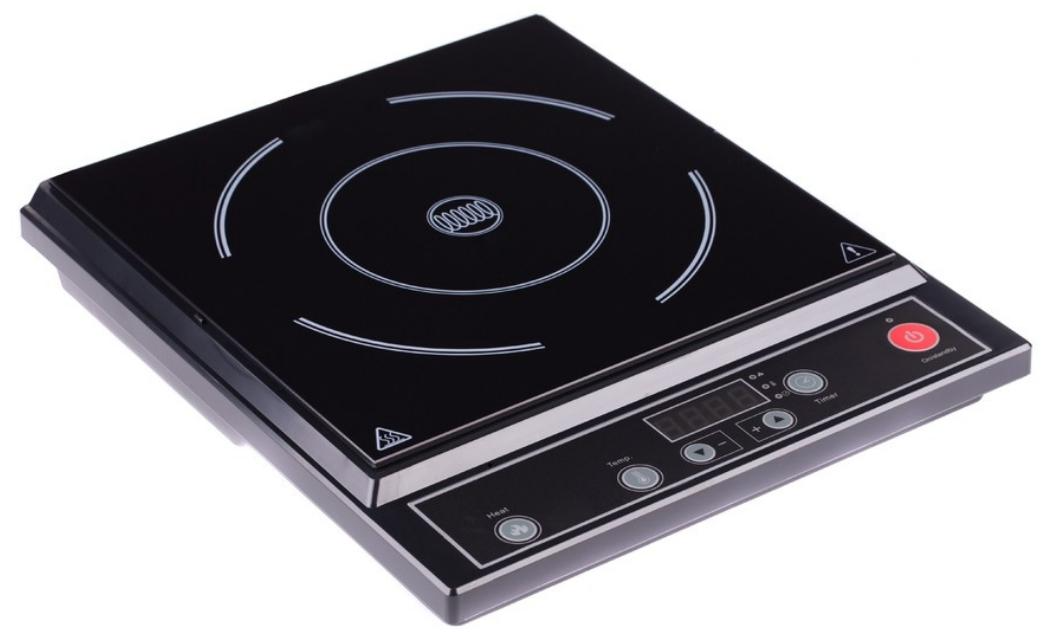
Unlike traditional cooking methods that use thermal conduction from a flame or a hot surface, an induction cooktop heats cookware directly through electromagnetic induction. This innovative approach bypasses the need to heat the cooktop surface itself, leading to faster, more efficient, and safer cooking. The sleek, flat glass-ceramic surface of an induction cooktop conceals a powerful and precise heating system.
The Core Principle: Electromagnetism in the Kitchen
The magic of induction cooking lies in the interaction between electricity and magnetism. Beneath each cooking zone on the cooktop, there is a tightly wound coil of copper wire. When you turn on a burner, an alternating electric current flows through this coil, generating a fluctuating magnetic field on and above the surface. This magnetic field itself does not produce heat and the cooktop surface remains cool to the touch.
Step-by-Step: From Electricity to a Sizzling Pan
The heating process only begins when a compatible piece of cookware is placed on the cooking zone. The process unfolds in a rapid, seamless sequence:
- Magnetic Field Generation: The active copper coil creates a high-frequency magnetic field.
- Eddy Current Induction: When a pan made of a magnetic material (ferromagnetic) enters this field, the field induces small, swirling electric currents within the base of the pan. These are known as “eddy currents.”
- Resistance and Heat: The metal of the pan has natural electrical resistance. As these eddy currents flow against this resistance, they generate significant friction and, consequently, intense heat.
- Direct Heating: This heat is created directly in the cookware itself, not on the cooktop surface. The pan becomes the source of the heat that cooks the food, while the glass surface below it remains largely unheated, only warming up from residual contact with the hot pan.
The Key Requirement: Ferromagnetic Cookware
Because this entire process relies on a magnetic interaction, induction cooktops only work with cookware made from ferromagnetic materials. This includes cast iron, enameled cast iron, and many types of stainless steel. Materials like aluminum, copper, glass, and ceramic will not react with the magnetic field and will not heat up. A simple way to check if your current pots and pans are compatible is to see if a magnet sticks firmly to the bottom. If it does, the cookware is induction-ready.

The Major Advantages of Cooking with Induction
The unique heating method of induction technology translates into several significant benefits over traditional electric cooktops, impacting everything from cooking time to kitchen safety and energy bills.
Unmatched Speed and Heating Performance
Induction cooktops are remarkably fast. Because heat is generated directly in the pan, there is no wasted time waiting for a burner to warm up and then transfer its heat. This direct process can boil water an estimated 20-50% faster than electric or gas counterparts. This speed is a major advantage for everything from boiling pasta to searing meats, significantly reducing overall cooking time.
Superior Energy Efficiency
This technology is a leader in energy conservation. With induction, an estimated 85-90% of the energy generated is transferred directly to the food. In contrast, traditional electric cooktops have an efficiency of around 65-70%, as a significant amount of heat is lost to the surrounding air and the cooktop surface. This superior efficiency can lead to noticeable savings on your electricity bill over the long term.
Enhanced Safety Features for Peace of Mind
Safety is perhaps the most compelling advantage of induction cooking. The surface of the cooktop does not get dangerously hot, drastically reducing the risk of accidental burns. If you remove the pan, the circuit is broken, and the heating process stops instantly. Many models also feature automatic shut-off functions that detect when a pot has boiled dry or when no cookware is present, making it an exceptionally safe choice for families with young children or pets.
Precision Temperature Control for Perfect Results
Induction offers instantaneous and highly precise temperature control, rivaling even the responsiveness of gas cooking. Adjustments to the power level are reflected immediately in the pan’s temperature, allowing for exact simmers and rapid boils without the lag time associated with electric coils cooling down or heating up. This level of control prevents scorching and provides consistent, repeatable results.
Effortless Cleaning and Maintenance
The flat, smooth glass-ceramic surface and the lack of extreme surface heat make induction cooktops incredibly easy to clean. Since the surface doesn’t get hot enough to bake on food, spills and splatters can be wiped away with a damp cloth immediately after cooking. There are no coils or grates to scrub, simplifying kitchen cleanup.

Potential Drawbacks and Considerations for Induction
Despite its many advantages, induction technology is not without its considerations. Prospective buyers should be aware of a few potential drawbacks before making the switch.
The Initial Investment: Upfront Costs
The most significant barrier for many is the upfront cost. Induction cooktops and ranges are generally more expensive to purchase than their traditional electric counterparts. While the long-term energy savings can help offset this initial investment, the higher price tag is a crucial factor in the purchasing decision.
The Cookware Compatibility Challenge
As previously mentioned, the requirement for ferromagnetic cookware can be a drawback. If your existing collection of pots and pans is primarily aluminum, copper, or non-magnetic stainless steel, you will need to invest in a new set of induction-compatible cookware, adding to the overall cost of adoption.
Minor Operational Noise
Some users report a faint humming or buzzing sound during operation, particularly at higher power settings. This noise is a byproduct of the high-frequency electronics and the magnetic field interacting with the cookware. While it is typically not loud or disruptive, it is a noticeable difference from the silent operation of a traditional electric cooktop.
The Learning Curve and Power Dependency
There can be a slight learning curve as cooks adjust to the incredible speed and responsiveness of induction. Additionally, like any electric appliance, induction cooktops will not function during a power outage, a consideration where gas stoves have an advantage.

Induction vs. Electric Cooktops: A Head-to-Head Comparison
To make the best decision, it’s helpful to compare induction and standard electric cooktops across several key criteria. While both rely on electricity, their performance and user experience are vastly different.
| Feature | Induction Cooktop | Electric Cooktop (Smooth Top) |
|---|---|---|
| Heating Method | Electromagnetism heats the pan directly. The surface stays cool. | Radiant heat from an electric coil heats the glass surface, which then heats the pan. |
| Heating Speed | Extremely fast. Boils water 20-50% quicker. Instant response to temperature changes. | Slower to heat up and cool down. Significant lag time when changing temperatures. |
| Energy Efficiency | Highly efficient, with 85-90% of energy transferred to the food. | Less efficient, with 65-70% of energy transferred. More heat is wasted. |
| Safety | Very safe. Surface does not get hot, auto-shutoff features are common. | Surface gets and stays extremely hot, posing a burn risk long after use. |
| Cleaning | Very easy. Spills don’t burn onto the cool surface and wipe away easily. | Relatively easy, but spills can burn onto the hot surface, requiring more effort to clean. |
| Cookware | Requires specific magnetic (ferromagnetic) cookware. | Compatible with almost all types of flat-bottomed cookware. |
| Upfront Cost | Higher initial purchase price. | More affordable and budget-friendly. |

Making the Right Choice for Your Kitchen
The choice between an induction and an electric cooktop ultimately depends on your personal priorities, cooking habits, and budget. Both are excellent options, but they cater to different needs.
Who Should Choose an Induction Cooktop?
An induction cooktop is the ideal choice for:
- The Serious Home Chef: Anyone who values precision, speed, and responsiveness in their cooking will appreciate the superior control offered by induction.
- Families with Children: The unparalleled safety features, particularly the cool-to-the-touch surface, provide invaluable peace of mind.
- The Energy-Conscious Consumer: If reducing your home’s energy consumption and carbon footprint is a priority, the high efficiency of induction is a clear winner.
- Those Who Value Easy Cleanup: For a low-maintenance kitchen, the ease of cleaning an induction surface is a significant lifestyle benefit.
When is an Electric Cooktop the Better Option?
A traditional electric cooktop remains a solid choice for:
- The Budget-Conscious Buyer: If upfront cost is the primary concern, electric cooktops offer reliable performance at a much lower price point.
- Homeowners with Existing Cookware: If you have a large collection of non-magnetic cookware (like aluminum or copper) that you don’t want to replace, an electric cooktop is the more practical option.
- Those Seeking Simplicity: Electric cooktops are straightforward, familiar, and get the job done without the need for special equipment or a learning curve.

Frequently Asked Questions (FAQ)
- Q1: Do induction cooktops require special wiring?
- Both induction and electric cooktops are powerful appliances that typically require a dedicated 240-volt circuit, which is standard for electric ranges in most homes. If you are replacing an existing electric cooktop, the wiring is usually sufficient. However, if you are converting from a gas range or installing a cooktop for the first time, you will need an electrician to install the proper outlet.
- Q2: Can you use cast iron on an induction cooktop?
- Absolutely. Cast iron is an iron-based (ferrous) material, making it one of the best types of cookware for induction cooking. Its heavy base retains heat exceptionally well, leading to excellent searing and even cooking. Enameled cast iron, like a Dutch oven, also works perfectly.
- Q3: Do induction cooktops scratch easily?
- The surface of an induction cooktop is made from a tough glass-ceramic material, similar to that of a smooth-top electric stove. It is resistant to scratches from normal use, but it can be scratched by dragging heavy, rough-bottomed pans (like some cast iron) across the surface. It is best practice to lift pots and pans rather than sliding them. Cleaning with non-abrasive cleaners will also help preserve the surface.
- Q4: Is the magnetic field from an induction cooktop dangerous?
- The magnetic field generated by an induction cooktop is very low-frequency and is concentrated just above the cooking surface. According to the World Health Organization and other health bodies, there is no evidence to suggest that the low-level electromagnetic fields from induction cooktops pose a health risk to humans. However, individuals with pacemakers are sometimes advised to consult their doctor, though modern pacemakers are generally shielded against such interference.
- Q5: How do I know if my current pots and pans are induction-compatible?
- The easiest way to check is with a simple refrigerator magnet. Place the magnet on the bottom of your pot or pan. If the magnet sticks strongly, the cookware is ferromagnetic and will work on an induction cooktop. If it doesn’t stick or the attraction is very weak, it is not compatible. Many modern cookware sets also have an “induction-ready” symbol (often a coil icon) on the base.
