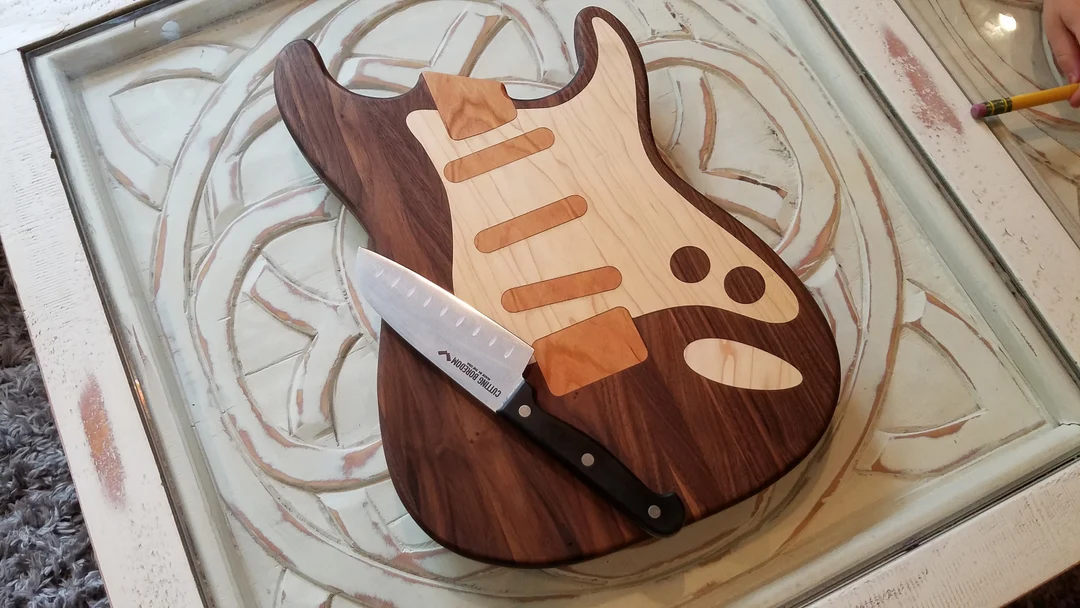
Often relegated to the background, the humble cutting board plays an indispensable role in any kitchen, acting as the primary stage for all culinary preparations. Far more than just a surface to chop on, a well-chosen cutting board can significantly impact knife sharpness, food hygiene, and even the overall efficiency and enjoyment of cooking. From safeguarding your countertops to preventing cross-contamination and prolonging the life of your expensive knives, understanding the diverse world of cutting boards is a crucial step towards a more functional and professional kitchen setup. This guide will explore the various types, materials, and essential care routines that elevate the cutting board from a simple utensil to a respected culinary tool.
The Indispensable Role of Cutting Boards in the Modern Kitchen
The significance of a high-quality cutting board extends far beyond its basic function. It serves as a protective barrier, a hygienic workspace, and a crucial element in maintaining the longevity and performance of your knives. Ignoring these aspects can lead to damaged countertops, dull blades, and potential food safety hazards. A dedicated cutting surface provides stability, reduces the risk of slips, and ensures that your ingredients are prepared efficiently and safely.
Safeguarding Your Knives and Countertops
One of the most immediate benefits of using a proper cutting board is the protection it offers to both your knives and your kitchen surfaces. Cutting directly on countertops, especially those made of stone or laminate, can quickly dull knife edges and leave irreparable scratches. A good cutting board provides a softer, more forgiving surface that absorbs the impact of chopping, preserving the razor sharpness of your blades and extending their lifespan. This also means less frequent sharpening, saving time and effort in the long run.
Enhancing Food Safety and Hygiene
Food safety is paramount in any kitchen, and cutting boards are at the forefront of preventing cross-contamination. Utilizing different boards for raw meats, poultry, seafood, and produce is a widely recommended practice to avoid transferring harmful bacteria. Materials that are easy to clean and resist deep gouges where bacteria can harbor are essential. Proper cleaning and maintenance protocols, regardless of the material, are critical to ensuring a hygienic preparation environment.
Contributing to Culinary Efficiency and Experience
Beyond safety and protection, the right cutting board can significantly enhance your cooking experience. A stable, appropriately sized board provides ample space for mise en place, allowing for organized and efficient chopping. The tactile feedback from a quality board can also improve control and precision, making intricate knife work more enjoyable and less fatiguing. Investing in a superior cutting board is an investment in your culinary journey.

Exploring Cutting Board Materials: Wood, Bamboo, Stone, and More
The market offers a vast array of cutting board materials, each with its own set of advantages, disadvantages, and specific care requirements. Understanding these differences is key to selecting a board that aligns with your cooking style, aesthetic preferences, and practical needs. From traditional hardwoods to modern composites, the choice of material significantly impacts durability, knife-friendliness, and hygiene.
The Enduring Appeal of Wood Cutting Boards
Wood cutting boards have long been a favorite among professional chefs and home cooks alike, cherished for their natural beauty, knife-friendliness, and inherent antibacterial properties. Hardwoods like maple, cherry, walnut, and teak are particularly popular due to their dense grain structures, which resist deep scoring and wear over time. The natural tannins in wood also provide a degree of antimicrobial protection. However, wood boards require regular oiling and proper drying to prevent warping, cracking, and bacterial growth.
End Grain vs. Edge Grain: A Deep Dive into Wood Construction
Within the category of wood cutting boards, the distinction between end-grain and edge-grain construction is crucial, impacting both performance and durability. This structural difference dictates how the wood fibers interact with a knife blade, influencing everything from knife sharpness to the board’s longevity and self-healing properties.
- Edge Grain Boards: These boards are constructed by gluing strips of wood together with the long, side grain facing up. This is a common and often more affordable construction method. While durable, the knife blade cuts across the wood fibers, which can dull knives more quickly over time and lead to more visible cut marks.
- End Grain Boards: Considered the gold standard by many, end-grain boards are made by arranging small blocks of wood with the end grain facing up, then gluing them together. When a knife cuts into an end-grain board, the blade slides between the wood fibers, which then “close up” or self-heal. This makes them significantly more gentle on knife edges and more resistant to visible scoring. They are also often thicker and heavier, providing exceptional stability.
To illustrate the key differences, consider the following comparison:
| Feature | Edge Grain Cutting Board | End Grain Cutting Board |
|---|---|---|
| Construction | Long strips of wood glued together, side grain up. | Small blocks of wood glued together, end grain up. |
| Knife Friendliness | Good, but knife cuts across fibers, leading to faster dulling. | Excellent, knife slides between fibers, preserving sharpness. |
| Durability/Longevity | Very good, but prone to visible cut marks and can eventually show wear. | Superior, “self-healing” properties make it highly resistant to deep cuts. |
| Aesthetics | Often simpler, continuous grain patterns. | Distinctive checkerboard or mosaic patterns. |
| Maintenance | Regular oiling, proper cleaning. | Regular oiling, proper cleaning. More forgiving of minor abuse. |
| Cost | Generally more affordable. | Typically more expensive due to complex construction. |
The choice between end-grain and edge-grain often comes down to budget and priority. For those who value knife preservation and a board that ages gracefully with minimal scarring, an end-grain board is an unparalleled investment.
Specialty Woods: Bamboo, Olive Wood, and Their Unique Attributes
Beyond the traditional hardwoods, certain specialty woods offer distinct advantages and aesthetic appeal.
- Bamboo Cutting Boards: Often lauded for its sustainability, bamboo is technically a grass, not a wood. It grows rapidly, making it an eco-friendly choice. Bamboo boards are known for their hardness and density, which makes them highly resistant to moisture and bacteria. However, this hardness can also be a double-edged sword; some bamboo boards can be quite rigid and potentially harder on knife edges than traditional hardwoods. They are generally lightweight and durable, making them a practical option for everyday use. Proper care involves hand washing and immediate drying to prevent warping or cracking.
- Olive Wood Cutting Boards: Renowned for their exquisite, intricate grain patterns and rich, warm tones, olive wood cutting boards are as much a work of art as they are a functional kitchen tool. Olive wood is incredibly dense and hard, making it naturally resistant to odors, stains, and bacteria. Its natural oil content also contributes to its durability and water resistance. While beautiful and highly durable, olive wood boards can be more expensive and require specific care, including regular oiling to maintain their luster and prevent drying out. Their unique shapes, often retaining the natural contours of the olive tree, add a rustic elegance to any kitchen.
Exploring Alternative Materials: Stone and Synthetic Options
While wood remains a classic, other materials offer different benefits, particularly in terms of aesthetics and specific functional needs.
- Stone Cutting Boards (Marble, Granite): Stone boards, typically made from marble or granite, offer a stunning aesthetic and are excellent for tasks like pastry work due to their naturally cool surface. They are incredibly durable and heat-resistant, making them versatile for serving as well. However, stone’s extreme hardness is detrimental to knife edges, dulling them very quickly. They are also heavy, prone to chipping if dropped, and completely unforgiving if a knife slips. For these reasons, stone boards are generally not recommended for regular chopping but excel as serving platters or surfaces for delicate doughs.
- Plastic/Polypropylene Cutting Boards: These boards are a staple in many commercial kitchens due to their non-porous nature and ease of sanitization, often being dishwasher-safe. They come in various colors, allowing for color-coding to prevent cross-contamination (e.g., red for raw meat, green for vegetables). While plastic boards are gentle on knives initially, they tend to score deeply over time, creating grooves where bacteria can accumulate. This necessitates frequent replacement.
- Composite/Rubber Cutting Boards: Made from materials like recycled wood fibers and resin, composite boards offer a blend of durability, hygiene, and knife-friendliness. They are non-porous, dishwasher-safe, and often thinner and lighter than traditional wood boards, making them easy to store. Rubber boards, made from high-density rubber, are exceptionally gentle on knives and offer excellent grip, preventing slippage. Both composite and rubber boards are excellent alternatives for those seeking the benefits of wood without the intensive maintenance.

Choosing the Right Cutting Board for Your Kitchen
Selecting the ideal cutting board involves a careful consideration of your specific cooking habits, the types of food you prepare, the knives you use, and your willingness to commit to maintenance. There isn’t a single “best” cutting board for everyone; rather, the optimal choice is a personal one that balances multiple factors to suit your individual kitchen environment.
Assessing Your Culinary Needs and Priorities
Before making a purchase, reflect on how you typically use a cutting board. Do you primarily chop vegetables, or do you frequently prepare raw meats and poultry? Are you concerned about knife sharpness, or is ease of cleaning your top priority? For heavy-duty chopping and preserving expensive knives, an end-grain wooden board might be the best investment. If frequent sanitization and versatility are key, a high-quality plastic or composite board could be more suitable. Consider the volume of food you prepare; larger boards are excellent for meal prep but require more storage space.
- Knife Preservation: If you own high-quality knives, prioritize materials like end-grain wood or high-density rubber, which are gentle on edges.
- Food Safety: For rigorous hygiene, especially when handling raw proteins, consider multiple color-coded plastic boards or materials that are easy to sanitize thoroughly.
- Durability and Longevity: Hardwoods like maple, walnut, and teak, especially in end-grain construction, offer exceptional lifespan with proper care.
- Aesthetics: If the cutting board is also a serving piece or a permanent fixture on your countertop, the visual appeal of olive wood or a beautifully crafted end-grain board might be a significant factor.
Considering Size, Weight, and Stability
The physical characteristics of a cutting board play a vital role in its practicality and safety. A board that is too small will make chopping cumbersome and increase the risk of ingredients spilling onto your countertop. Conversely, a board that is too large might be difficult to store or clean. Weight also matters; a heavier board provides greater stability during vigorous chopping, reducing the risk of slippage, which is a common cause of kitchen accidents. Some boards come with non-slip feet or rubber grips, further enhancing safety. Always ensure the board fits comfortably in your sink for washing and can be stored without obstruction.
Budgetary Considerations and Long-Term Value
Cutting boards vary widely in price, from inexpensive plastic options to premium handcrafted wooden masterpieces. While it’s tempting to opt for the cheapest available, consider the long-term value. A high-quality wooden board, though a larger initial investment, can last for decades with proper care, preserving your knives and enhancing your cooking experience. Less expensive plastic boards might need more frequent replacement as they accumulate deep grooves. Evaluate the cost-per-year of use and the benefits each material offers to make an informed decision that balances your budget with your culinary aspirations.

Maintaining Your Cutting Board: Best Practices for Longevity and Hygiene
Regardless of the material, proper care and maintenance are crucial for extending the life of your cutting board and ensuring it remains a safe, hygienic surface for food preparation. Neglecting these practices can lead to warping, cracking, bacterial buildup, and a significantly reduced lifespan for your investment. Different materials will have specific care requirements, but general principles of cleaning and conditioning apply across the board.
Essential Cleaning and Sanitization Protocols
Immediate and thorough cleaning after each use is the first line of defense against bacterial growth and odor absorption. For most cutting boards, hand washing is preferred over dishwashers, especially for wood and bamboo, as high heat and prolonged soaking can cause irreparable damage. Use hot, soapy water and a stiff brush or sponge to scrub away food particles. For an extra layer of sanitization, particularly after handling raw meats, a solution of one part white vinegar to four parts water, or a dilute bleach solution (one teaspoon of bleach per quart of water), can be applied, left for a few minutes, then rinsed thoroughly.
- Avoid Soaking: Never submerge wooden or bamboo boards in water, as this can lead to warping, splitting, and cracking.
- Prompt Drying: After washing, always dry your cutting board thoroughly with a clean towel. For wooden boards, allow them to air dry completely by standing them on edge, ensuring air circulation on all sides.
- Deep Cleaning for Stains and Odors: For stubborn stains or odors, a paste made from coarse salt and lemon juice can be effective. Sprinkle salt over the board, scrub with half a lemon, let sit for 10-15 minutes, then rinse and dry.
Conditioning and Protecting Wooden and Bamboo Boards
Wooden and bamboo cutting boards require regular conditioning to prevent them from drying out, cracking, and becoming brittle. This process involves applying a food-safe mineral oil or a specialized board cream. The oil penetrates the wood fibers, replenishing moisture and creating a protective barrier against water absorption, which helps prevent warping and enhances the board’s natural beauty.
- Frequency: Aim to oil your wooden or bamboo board at least once a month, or more frequently if it sees heavy use or appears dry. A good rule of thumb is to oil it “when it looks dry.”
- Application: Apply a generous amount of food-grade mineral oil or board cream to all surfaces of the board. Use a clean cloth to rub the oil in, following the grain.
- Absorption: Allow the oil to soak in for several hours, or even overnight. The board should look “thirsty” and absorb the oil readily.
- Buffing: Wipe off any excess oil with a clean, dry cloth to prevent a sticky residue. The board should feel smooth and conditioned, not greasy.
This conditioning process is vital for maintaining the structural integrity of the wood, enhancing its natural resistance to moisture, and preserving its aesthetic appeal over many years of use. It’s a simple yet critical step in ensuring your wooden cutting board remains a reliable and beautiful kitchen asset.
Frequently Asked Questions (FAQ)
- Q1: Why are wooden cutting boards generally considered better for knives than plastic or stone?
- Wooden cutting boards, particularly end-grain ones, are inherently softer and more forgiving on knife edges. The wood fibers give slightly when a knife cuts into them, allowing the blade to pass between the fibers rather than directly impacting a hard, unyielding surface. This significantly reduces the rate at which knives dull, extending their sharpness and overall lifespan compared to hard materials like plastic, glass, or stone, which can quickly turn a sharp edge blunt.
- Q2: How often should I oil my wooden cutting board, and what type of oil should I use?
- You should oil your wooden or bamboo cutting board at least once a month, or more frequently if it feels dry to the touch or if you wash it often. The best oil to use is food-grade mineral oil, which is non-toxic, tasteless, and will not go rancid. Avoid vegetable oils like olive or canola oil, as they can become sticky and rancid over time. Specialized cutting board creams, which often combine mineral oil with beeswax, also provide excellent protection and a durable finish.
- Q3: Is it safe to cut raw meat on a wooden cutting board?
- Yes, it is generally safe to cut raw meat on a wooden cutting board, provided it is properly cleaned and maintained. Studies have shown that wood can even be more hygienic than plastic in some scenarios, as its porous surface can trap bacteria, which then die as the wood dries. However, the key is thorough cleaning immediately after use with hot, soapy water, followed by complete drying. For an extra layer of safety, many chefs recommend having separate boards for raw meats and produce, regardless of the material.
- Q4: My cutting board has deep knife marks. Can I fix this, and should I be concerned?
- Deep knife marks are a concern because they can harbor bacteria and are difficult to clean thoroughly. For wooden boards, shallow knife marks can often be sanded out with fine-grit sandpaper, followed by re-oiling to restore the surface. For plastic boards, deep grooves are a sign that the board should be replaced, as sanding plastic is not typically effective or recommended. Regular maintenance and proper knife technique can help minimize the formation of deep marks.
- Q5: What are the main advantages of a bamboo cutting board over a traditional hardwood board?
- Bamboo cutting boards offer several distinct advantages. Primarily, bamboo is an incredibly sustainable resource, growing much faster than traditional hardwoods. They are also very hard and dense, making them resistant to moisture and bacteria, and generally lightweight. However, this hardness can also make them slightly less forgiving on knife edges compared to softer hardwoods like maple. They are often a more eco-friendly and budget-friendly alternative while still offering good durability and hygiene.
