Understanding National Electrical Code (NEC) Requirements for Kitchens
The kitchen is arguably the most complex room in a home from an electrical standpoint. Because it combines high-wattage appliances with potential exposure to water, the National Electrical Code (NEC) mandates strict guidelines to prevent fire hazards and electrical shocks. Compliance is not merely a recommendation; it is a legal requirement for building permits and a critical factor in home insurance eligibility.
The Importance of Dedicated Circuits
Kitchens require a high density of power. To prevent tripped breakers and potential fire hazards, the NEC requires dedicated circuits for high-draw appliances. These circuits ensure that the appliance receives the full amperage it needs without sharing power with other devices.
- Refrigerator: Should have its own dedicated 15 or 20-amp circuit.
- Dishwasher/Disposal: Often combined on one circuit, but individual dedicated circuits are highly recommended for modern, high-efficiency models.
- Electric Range: Requires a heavy-duty 240-volt circuit, typically rated for 40 to 50 amps.
- Microwave: A built-in unit must be on a dedicated circuit to prevent overloading during simultaneous use of other kitchen appliances.

Small Appliance Branch Circuits and Receptacle Placement
The NEC mandates at least two 20-amp, 120-volt small appliance branch circuits for the kitchen. These circuits are intended to power countertop appliances like blenders, toasters, and coffee makers. No general lighting or other home outlets should be connected to these specific kitchen countertop circuits.
Countertop Receptacle Spacing Rules
To prevent the use of dangerous extension cords, the code dictates how far apart outlets must be placed along the countertop.
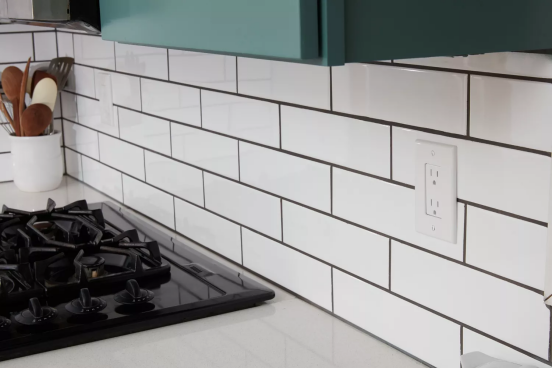
- The 2-foot rule: Any point along the wall line of a countertop must be within 24 inches of a receptacle.
- Island and Peninsula requirements: Kitchen islands must have at least one receptacle. If the island is large, additional outlets may be required based on surface area.
- Height restrictions: Receptacles must be installed above the countertop surface, generally not more than 20 inches above the counter.

GFCI Protection and Safety Standards
Ground Fault Circuit Interrupter (GFCI) protection is the primary defense against electrical shock in areas where water is present. In the kitchen, any receptacle serving the countertop must be GFCI protected. This applies regardless of whether the outlet is near a sink.
Evolution of GFCI Requirements
Modern electrical codes have expanded GFCI requirements significantly. It is no longer just about the outlets near the sink; the mandate now covers all receptacles installed to serve the countertop surfaces. Furthermore, if you are replacing an existing outlet in a kitchen, the NEC requires the new outlet to be GFCI protected, even if the original installation was not.
| Device Location | GFCI Requirement |
|---|---|
| Countertop Receptacles | Mandatory |
| Dishwasher (if cord-and-plug) | Mandatory |
| Refrigerator | Recommended (Check Local Code) |
| Under-cabinet Lighting | Not required unless specified |

Planning Your Kitchen Electrical Layout
A successful kitchen electrical plan starts with an inventory of your appliances. Before starting any renovation, list every device you intend to use and its power requirements. This allows your electrician to calculate the total load and ensure your electrical panel can handle the demand.
Advanced Load Considerations
When planning, account for future-proofing your kitchen. As smart appliances and induction cooktops become more common, your electrical demand will likely increase. Installing a larger sub-panel or ensuring your main panel has enough spare capacity is a prudent long-term investment.
Frequently Asked Questions (FAQ)
- Q1: Do I need GFCI protection for my refrigerator outlet?
- While the NEC does not strictly mandate GFCI protection for a dedicated refrigerator outlet, many local jurisdictions do. Always check with your local building department, as local amendments often supersede national standards.
- Q2: Can I use an extension cord for my countertop appliances?
- No. The NEC requires permanent wiring and sufficient outlet placement to eliminate the need for extension cords, which are a major fire hazard in high-traffic kitchen areas.
- Q3: How many small appliance circuits are required?
- A minimum of two 20-amp, 120-volt circuits are required to supply power to all receptacles located in the kitchen, pantry, and dining area.
- Q4: Why does my dishwasher need to be GFCI protected?
- Because dishwashers involve water and metal components, they pose a shock risk. Modern code requires GFCI protection for all dishwashers to interrupt power instantly in the event of a ground fault.
