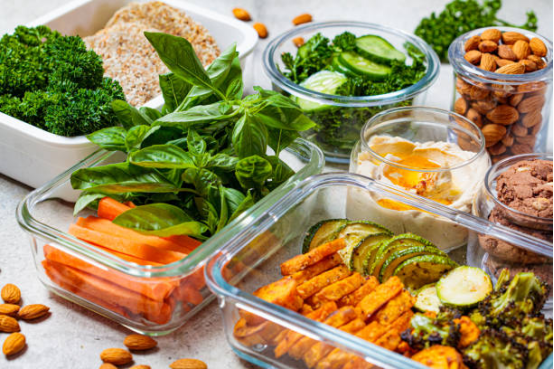
In today’s fast-paced world, the daily dilemma of deciding what to eat often leads to expensive takeout or nutritionally void convenience foods. The concept of meal preparation—often referred to as “meal prep”—has surged in popularity as a proposed antidote to this modern struggle. But is meal preparation truly the ultimate solution for both your wallet and your waistline? By examining the intersection of behavioral psychology, nutritional science, and personal finance, we can uncover the profound impact that batch-cooking and pre-planning have on our overall well-being.
The Financial Impact of Meal Preparation
When evaluating the cost-effectiveness of meal preparation, it is crucial to look beyond the immediate grocery bill. The true financial power of meal prep lies in its ability to eliminate the hidden, compounding costs of convenience eating.
The Hidden Costs of Eating Out
The average restaurant meal incorporates significant markups to cover overhead, labor, and profit margins. A seemingly affordable $15 daily lunch equates to roughly $3,900 annually. By contrast, a nutritionally equivalent home-cooked meal typically costs between $3 and $5 per serving. Furthermore, meal prep drastically reduces food waste—a silent budget killer. When you plan meals meticulously, every ingredient purchased has a designated purpose, preventing the common scenario of fresh produce rotting in the crisper drawer.
Bulk Buying and Economies of Scale
Meal preparation naturally encourages bulk purchasing. Buying staple ingredients like rice, quinoa, dried beans, and family-sized protein packs reduces the cost per ounce significantly. Over time, these micro-savings accumulate into substantial financial relief, freeing up income for investments, savings, or debt repayment.

Nutritional Benefits of Pre-Planned Meals
Health is not merely about eating vegetables; it is about consistency, portion control, and minimizing exposure to ultra-processed ingredients. Meal preparation puts the steering wheel of your dietary intake firmly back in your hands.
Mastering Macro and Micronutrients
When you prepare your own meals, you dictate the exact macronutrient profile (proteins, fats, and carbohydrates) of your diet. This is essential for anyone with specific fitness goals, whether that involves building muscle or losing body fat. Additionally, you can ensure a diverse array of micronutrients by intentionally incorporating a rainbow of vegetables into your weekly prep, something rarely prioritized in commercial kitchen settings.
Avoiding Processed Foods and Hidden Sugars
Commercial foods are engineered to be hyper-palatable, often relying on excessive sodium, refined sugars, and unhealthy trans fats. By cooking at home, you eliminate these hidden additives. You control the cooking oils, the seasoning levels, and the quality of the raw ingredients, which directly correlates to lower inflammation, better digestion, and stabilized blood sugar levels.
Step-by-Step Guide to Effective Meal Prepping
Transitioning into a meal prep lifestyle requires a strategic approach. Without a system, beginners often face burnout. Here is a structured breakdown to ensure long-term success.
Planning Your Weekly Menu
Success begins before you even step foot in the grocery store. Dedicate 20 minutes each weekend to design a menu. Cross-reference recipes to utilize overlapping ingredients. For instance, if you roast a large batch of chicken, plan to use it in a salad on Monday, a wrap on Tuesday, and a stir-fry on Wednesday.
The Right Containers and Storage
Your storage solutions dictate the longevity and safety of your food. Investing in high-quality, BPA-free glass containers is highly recommended. Glass does not absorb odors, is microwave-safe, and prevents harmful chemical leaching that can occur with cheap plastics.
Meal Modalities Comparison Table
To truly understand the value of meal prep, we must compare it against the most common modern dining alternatives.
| Dining Method | Average Cost Per Meal | Nutritional Control | Time Investment |
|---|---|---|---|
| Meal Preparation | $3 – $6 | Absolute Control | High (Upfront Batching) |
| Restaurant / Takeout | $15 – $25 | Very Low | Minimal |
| Meal Delivery Kits | $9 – $13 | Moderate | Medium (Daily Cooking) |
Pro Tips and Expert Advice for Beginners
To avoid the common pitfalls of meal prepping, integrate these expert strategies into your routine to maintain enthusiasm and ensure food safety.
- Start Small: Do not attempt to prep 21 meals for the week. Begin by prepping only your lunches for three days.
- Embrace the Freezer: Not all prepped meals need to sit in the fridge. Soups, stews, and casseroles freeze beautifully and prevent flavor fatigue.
- Sauces on the Side: To prevent soggy meals, always store dressings and sauces in separate miniature containers until you are ready to eat.
- Utilize Sheet Pan Meals: Roasting proteins and vegetables on a single sheet pan minimizes active cooking time and drastically reduces dishwashing.
Frequently Asked Questions (FAQ)
- How long does prepped food safely last in the refrigerator?
- Generally, cooked meats and vegetables will remain safe and flavorful in an airtight container in the refrigerator for 3 to 4 days. Seafood should ideally be consumed within 2 days.
- Does meal prep actually save time during the week?
- Yes. While it requires an upfront investment of 2 to 3 hours on a weekend, it completely eliminates the daily time spent deciding what to eat, cooking from scratch, and doing heavy pots-and-pans cleanup every single night.
- Is it boring to eat the same thing every day?
- It can be, which is why “buffet-style” meal prep is highly recommended. Instead of making composed meals, prep versatile base ingredients (like plain quinoa, roasted chicken, and steamed broccoli) and change up the sauces and spices daily.
- Is meal prep only for weight loss?
- Not at all. While excellent for weight management due to portion control, meal prep is equally beneficial for saving money, reducing daily stress, and managing specific dietary restrictions like gluten intolerance or food allergies.
