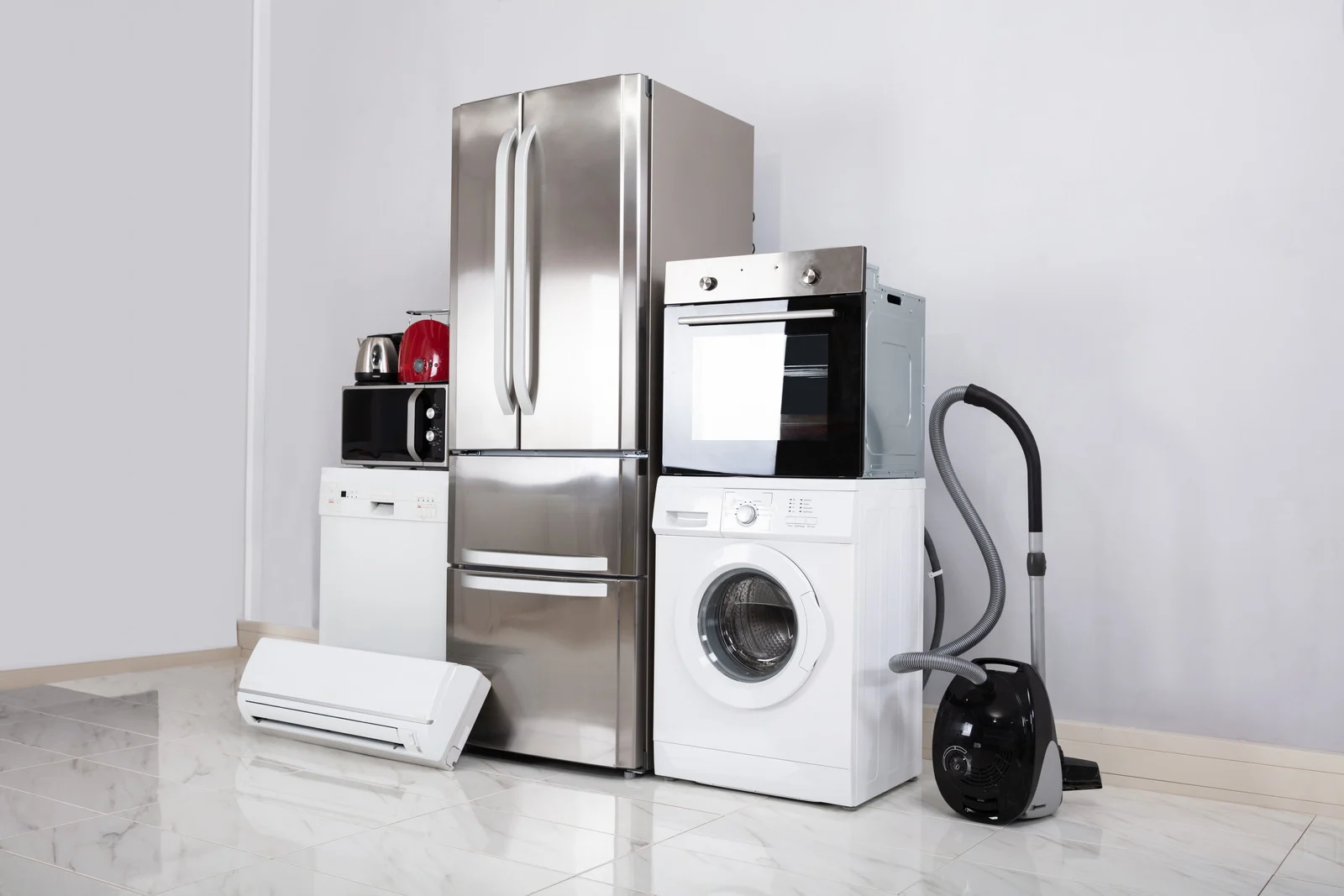
Modern households rely on a sophisticated network of machines designed to automate labor, preserve food, and maintain comfort. While these devices often operate at the touch of a button, their internal complexity is immense. Understanding the mechanics behind your everyday devices is not merely a matter of curiosity; it is a fundamental skill for any homeowner looking to maximize efficiency, reduce energy costs, and prevent premature mechanical failure. This guide serves as a pillar of knowledge for decoding the secret life of appliances, exploring the components that drive them, and establishing a rigorous care protocol.
Decoding the Fundamentals of Home Appliance Mechanics
At their core, most home appliances are energy converters. They take electrical energy from your home’s circuitry and transform it into mechanical energy (motion), thermal energy (heat), or cooling power (refrigeration). This transformation is governed by the laws of thermodynamics and electromagnetism, yet it is executed through remarkably intuitive engineering designs.
The Conversion of Energy
Every appliance starts with a power source. In a washing machine, this electricity powers an induction motor that creates the torque necessary to spin a heavy drum filled with water and clothes. In a toaster, the same electricity is passed through high-resistance wires (usually nichrome), which glow red hot to toast bread through infrared radiation. Understanding this “input-output” relationship helps users identify when an appliance is underperforming—for instance, if a dryer takes longer to heat, the conversion from electrical to thermal energy is being obstructed.
Control Systems and User Interfaces
The bridge between the user and the mechanical action is the control system. Modern appliances utilize Printed Circuit Boards (PCBs) that act as the brain of the device. These boards receive signals from sensors (temperature, moisture, or weight) and dictate the timing and intensity of the appliance’s cycles. In older models, this was handled by mechanical timers, but today’s digital interfaces allow for “smart” features that can adjust energy consumption based on the load size or the time of day.

The Critical Internal Components of Modern Devices
Beyond the sleek stainless steel or white enamel exterior lies a complex ecosystem of parts that the average consumer rarely sees. These components are the unsung heroes of domestic convenience, and their failure is often the root cause of appliance breakdowns.
Motors and Drive Belts
Motors are the primary drivers of motion. In appliances like dishwashers and washing machines, the motor is often connected to a drive belt or a direct-drive system. Drive belts are made of heavy-duty rubber and are prone to wearing down or snapping over time due to friction and heat. A high-pitched squealing sound during a cycle is often the first indicator that a belt is slipping and requires immediate attention to prevent motor burnout.
Thermostats and Heating Elements
Temperature regulation is vital for both cooking and cleaning. Thermostats act as internal monitors, cutting off power to the heating element once a specific temperature is reached. If a thermostat fails, an appliance might overheat (a fire hazard) or fail to heat at all. Heating elements, typically found in ovens and water heaters, are subject to “thermal fatigue,” where the constant expansion and contraction of the metal eventually leads to cracks and failure.
Gaskets and Seals
Often overlooked, gaskets are the flexible elastic strips that line the doors of refrigerators, ovens, and dishwashers. Their primary role is to create an airtight or watertight seal. A compromised refrigerator gasket allows cold air to escape, forcing the compressor to work twice as hard and significantly increasing your electricity bill. Regular inspection for cracks or food debris is essential for maintaining the integrity of these seals.

How Major Appliances Function: A Deep Dive
Different appliances utilize different mechanical principles to achieve their goals. By breaking down the specific operations of major units, homeowners can better understand the “why” behind maintenance requirements.
The Refrigeration Cycle
Refrigerators do not actually “create” cold; they remove heat. This is achieved through a vapor-compression cycle. A compressor pumps refrigerant through a series of coils. As the refrigerant expands into a gas, it absorbs heat from inside the fridge. It then travels to the exterior coils (condenser), where it releases that heat into the room and turns back into a liquid. This continuous loop is why the back of your fridge feels warm and why keeping the condenser coils clean is paramount for cooling efficiency.
The Centrifugal Force of Washing Machines
Washing machines rely on the principle of agitation followed by centrifugal force. During the wash cycle, an agitator or impeller moves clothes through soapy water to loosen dirt. During the spin cycle, the drum rotates at high speeds (up to 1200 RPM), using centrifugal force to pull water out of the fabric and through the small holes in the drum. This process is highly dependent on a balanced load; an unbalanced drum can damage the suspension springs and the motor bearings.

Essential Maintenance Protocols for Appliance Longevity
Proactive care is the difference between an appliance that lasts eight years and one that lasts twenty. Maintenance should be viewed as a scheduled investment rather than a reactionary chore.
Cleaning and Descaling
Hard water is the enemy of any appliance that uses water. Mineral deposits (scale) can build up inside heating elements, pump impellers, and spray arms.
- Dishwashers: Use a dedicated descaling agent or white vinegar once a month to clear the internal jets.
- Coffee Makers: Regularly descale to ensure the heating element remains efficient and the water flow is unobstructed.
- Washing Machines: Run a “clean” cycle with hot water and bleach or a specialized cleaner to remove biofilm and mold from the outer tub.
Airflow Optimization
Appliances that generate or move heat require unobstructed airflow.
| Appliance | Maintenance Action | Frequency |
|---|---|---|
| Clothes Dryer | Clean lint trap and exhaust vent ducting. | Every load (trap); Every 6 months (vent). |
| Refrigerator | Vacuum the condenser coils located at the back or bottom. | Every 6 months. |
| HVAC Filters | Replace or clean air filters to prevent motor strain. | Every 1-3 months. |

Troubleshooting Common Appliance Anomalies
Before calling a professional technician, many common appliance issues can be diagnosed and even resolved by the homeowner through basic logical deduction.
Identifying Strange Noises
Noises are often the first symptom of mechanical distress. A thumping sound in a washer usually indicates an unbalanced load or worn suspension rods. A buzzing sound in a refrigerator might point to a failing compressor or a vibrating water inlet valve. Grinding noises in a dishwasher often suggest that a foreign object (like a bone or glass shard) is stuck in the chopper blade or pump area.
Power and Connectivity Issues
If an appliance fails to turn on, the issue is often external to the device itself. Always check the circuit breaker first; high-draw appliances like microwaves and space heaters can easily trip a 20-amp breaker. Additionally, many modern appliances have internal thermal fuses that “blow” if the unit overheats. These fuses are designed to protect the motor and house wiring, but they must be replaced before the unit will function again.

The Future of Smart Home Appliances
We are entering an era where appliances are no longer passive tools but active participants in home management. “Smart” appliances utilize Internet of Things (IoT) technology to provide real-time diagnostics and energy management.
Predictive Maintenance
Advanced refrigerators and ovens can now send alerts to your smartphone when a filter needs replacing or if the internal temperature fluctuates unexpectedly. This predictive maintenance model allows homeowners to address small issues before they escalate into catastrophic failures. For example, a smart washer might detect a slight increase in motor friction and suggest a lubrication service, potentially saving hundreds of dollars in repair costs.
Energy Efficiency and Sustainability
Modern appliances are designed with strict Energy Star ratings in mind. This often involves using “brushless” DC motors which are more efficient and quieter than traditional AC motors. Furthermore, many dishwashers and washers now feature “eco-modes” that use lower water temperatures and longer soak times to achieve the same cleaning results with significantly less energy consumption. Understanding these settings is key to running a sustainable and cost-effective household.
Frequently Asked Questions (FAQ)
- Q1: Why is my refrigerator running constantly?
- This is usually caused by dirty condenser coils, which prevent the fridge from releasing heat efficiently. It could also be a sign of a worn door gasket allowing cold air to escape, or a thermostat set to an unnecessarily low temperature.
- Q2: How often should I clean my dryer vent?
- While the lint trap should be cleaned after every load, the full exhaust vent ducting should be cleaned at least once every six to twelve months. A clogged vent is a major fire hazard and forces the dryer to run longer, wasting energy.
- Q3: Can I use regular soap in my dishwasher?
- No. Regular dish soap creates excessive suds that can leak out of the unit and damage the internal electronic components. Only use detergents specifically formulated for automatic dishwashers.
- Q4: What causes a washing machine to smell like mold?
- This is common in front-load washers where water and detergent residue get trapped in the rubber door seal (bellows). To prevent this, leave the door open after each wash to allow it to dry and clean the seal with a vinegar solution monthly.
- Q5: Is it worth repairing an appliance that is over 10 years old?
- Generally, if a repair costs more than 50% of the price of a new, more energy-efficient model, it is better to replace it. Appliances older than a decade often lack the efficiency standards of modern units, leading to higher long-term operating costs.
