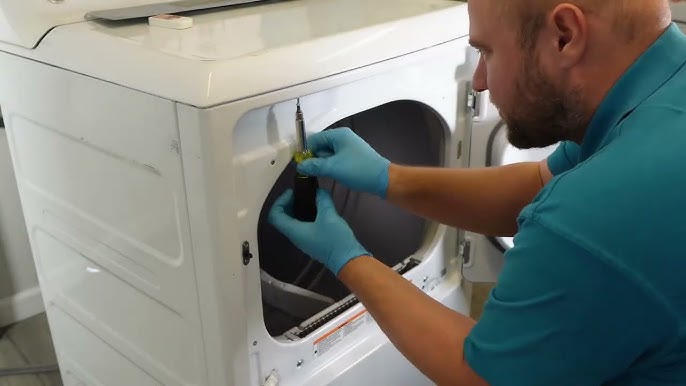
Optimizing Laundry Appliance Longevity
Your washing machine and dryer are the workhorses of the modern household. Neglecting routine maintenance not only leads to expensive repairs but also increases energy consumption and fire risks. By implementing a systematic care routine, you can ensure these machines operate at peak efficiency for over a decade.
Washing Machine Preventive Care
The secret to a long-lasting washer lies in managing moisture and mineral buildup. Modern front-load machines are particularly prone to mold if not ventilated properly.
- Gasket Maintenance: Wipe down the rubber door seal after every cycle to prevent mildew growth and eventual cracking.
- Drum Cleaning: Run a hot water cycle with white vinegar or a specialized cleaning tablet monthly to dissolve soap scum and mineral deposits.
- Hose Inspection: Check the water supply hoses for signs of bulging, cracking, or leaks every six months to prevent catastrophic flooding.
Dryer Safety and Efficiency Protocols
Dryers are a leading cause of household fires due to lint accumulation. Proper airflow is not just about drying clothes faster; it is a critical safety requirement.
Always clean the lint screen before every single load. Furthermore, inspect the exterior vent hood to ensure it is not obstructed by debris, nests, or crushed ductwork, which forces the motor to work harder than necessary.

Kitchen Appliance Maintenance Strategies
Kitchen appliances, specifically refrigerators and dishwashers, require consistent attention to maintain food safety and operational performance. A proactive approach saves thousands in potential replacement costs.
Refrigerator and Freezer Health
The refrigerator is the only appliance in your home that runs 24/7. Monitoring its internal environment is vital for both food preservation and motor longevity.
- Condenser Coil Care: Dust and pet hair on the condenser coils force the compressor to run longer, drastically shortening its lifespan. Vacuum these coils at least twice a year.
- Door Seal Integrity: Test the gasket by closing the door on a piece of paper. If you can pull the paper out with no resistance, your seal is compromised and needs replacement.
Dishwasher Care and Common Repairs
Dishwashers often suffer from clogged filters and hard water buildup. A clean filter ensures that water circulates effectively, preventing food debris from being redeposited on your clean dishes.

Restoring Home Surfaces and Fixtures
Beyond mechanical appliances, bathroom fixtures like acrylic tubs often suffer from aesthetic damage such as scratches. Maintaining the finish of your tub preserves the value of your home and prevents deeper structural damage.
Fixing Scratched Acrylic Tubs
Acrylic is a durable material, but it is susceptible to surface abrasions. For minor scratches, you can perform a DIY restoration using fine-grit wet sandpaper and an automotive-grade polishing compound.
Always start with a high-grit paper (around 1500-2000) and work in a circular motion with plenty of water. Follow up with a polishing compound to restore the high-gloss shine, ensuring the surface remains resistant to dirt and grime buildup.
Frequently Asked Questions (FAQ)
- Q1: How often should I replace my washing machine hoses?
- It is recommended to replace rubber hoses every 3 to 5 years, even if they appear fine, to prevent sudden ruptures and water damage.
- Q2: Why is my dryer taking two cycles to dry clothes?
- This is almost always a sign of restricted airflow. Check the lint trap, the interior ducting, and the exterior vent for blockages.
- Q3: Is it necessary to use specialized cleaners for my fridge coils?
- No specialized chemicals are needed. A simple vacuum cleaner brush attachment is the most effective tool for removing dust from condenser coils.
- Q4: Can I use harsh chemicals to clean my acrylic bathtub?
- Avoid abrasive powders and harsh chemicals like bleach or ammonia, as they can dull the finish and cause microscopic pitting that makes future cleaning harder.
